Surge Protection for Homes: Preventing Damage from Power Surges
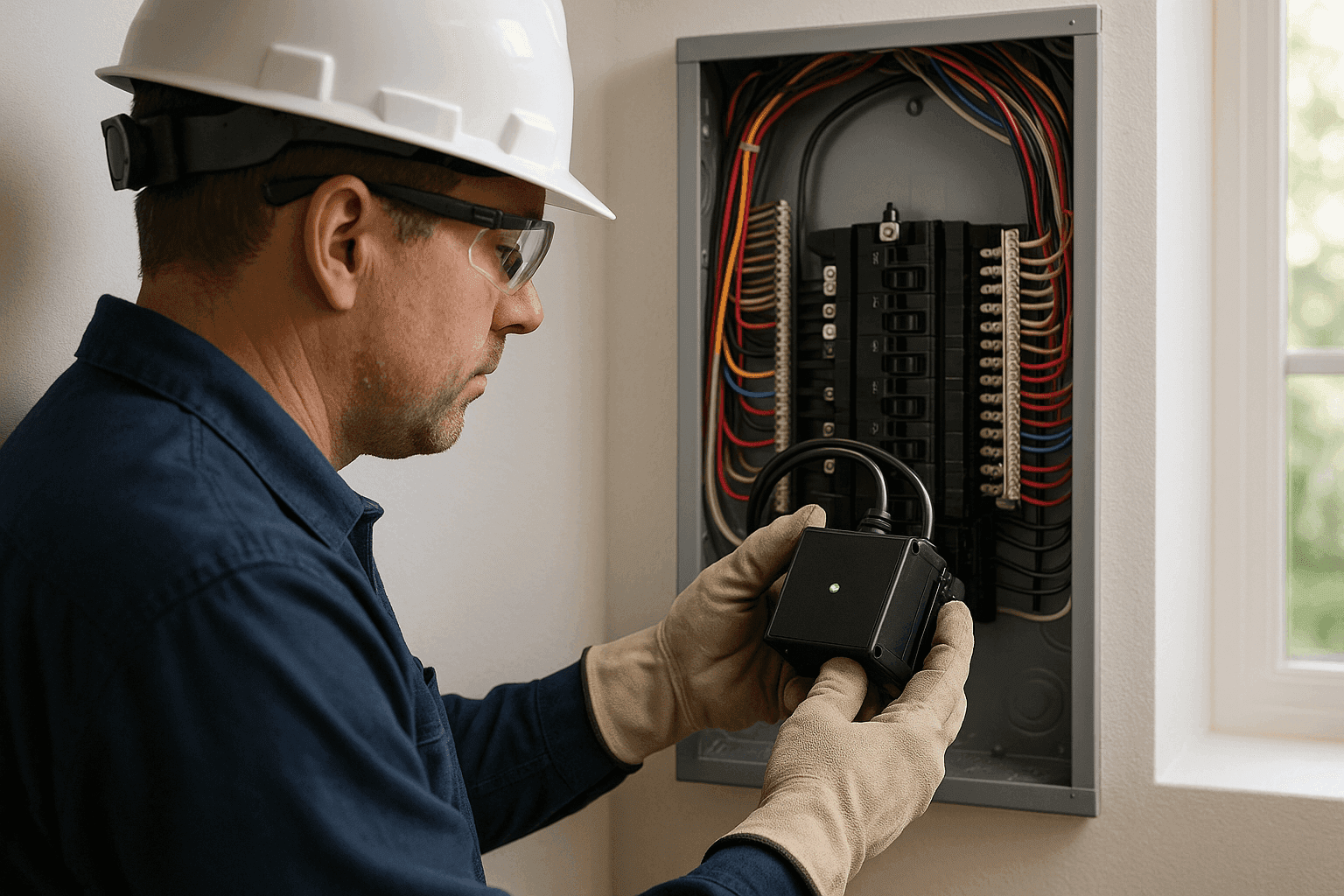
Electricity powers our lives—until it tries to take more than its fair share. Power surges can strike out of nowhere, frying your favorite gadgets or even damaging your home’s wiring. At Warner Robins Electrical, we’ve seen the aftermath too many times: ruined appliances, lost data, and unexpected repair bills.
You don’t have to leave your home exposed. Surge protection isn’t just for “techies” or brand-new houses. Every home, old or new, faces the risk. Let’s break down how you can protect what matters most, with clear steps you can take right now.
What Causes Power Surges? ⚡
A power surge is like a sudden tidal wave in your electrical system. It’s a brief spike—sometimes just a split-second—that sends a jolt of excess electricity down your wires.
Common causes include:
- Lightning strikes: Even a distant bolt can send a surge through power lines running into your home.
- Utility grid switching: When the power company reroutes electricity (planned or unplanned), it can send a surge down the line.
- Large appliances: Air conditioners, refrigerators, and dryers can create small surges each time they cycle on or off.
- Wiring problems: Outdated or faulty wiring makes your home more vulnerable to everyday surges.
According to the National Electrical Code (NEC), more homes are now required to have surge protection—especially if you’re upgrading your electrical panel. The threat is real, but so is the solution.
Risks to Home Electronics and Appliances
Picture this: your laptop, TV, and refrigerator all powered off after a storm. Sometimes, they don’t just turn off—they’re fried for good. Power surges can silently destroy:
- TVs and sound systems
- Computers, tablets, and home office gear
- Kitchen and laundry appliances
- Game consoles and smart speakers
- HVAC systems and thermostats
It’s not only the price to replace these items. There’s hidden cost in lost data, spoiled food, and—worst of all—potential fire hazards if wiring overheats.
Insurance might help, but many policies exclude surge damage or limit what they’ll cover. A single surge can cost hundreds—or thousands—of dollars in seconds.
Types of Surge Protection (Outlet, Whole-House)
When it comes to surge protection, not all solutions are created equal. Think of them like raincoats for your electronics. Some are quick, easy, and good for a light drizzle. Others are built for the storm.
Outlet (Point-of-Use) Surge Protectors
- Plug-in strips: The ones you see under desks or behind TVs.
- Pros: Easy, affordable, and quick to use. Offers basic protection for a few devices.
- Cons: Won’t stop the big surges coming through your main panel; only protects what’s plugged in.
Whole-House Surge Protectors
- Installed at your electrical panel: Acts like a security guard for your entire home.
- Pros: Shields every outlet, light, and appliance—even those hardwired (like your dishwasher or AC).
- Cons: Requires professional installation; higher upfront cost, but much stronger defense.
The best protection is layered. Use plug-in protectors for sensitive electronics, but back them up with a whole-house system for true peace of mind.
Professional Installation vs. DIY
It’s tempting to go the DIY route—after all, plug-in strips are everywhere. But installing a whole-house surge protector is another story.
Why call a licensed electrician:
- Panel work is dangerous: Mistakes can cause shock, fire, or damage to your electrical system.
- Proper sizing matters: The right device depends on your home’s wiring, service size, and needs.
- Code compliance: Installations must meet the National Electrical Code (NEC) and local safety guidelines.
A professional will inspect your panel, recommend the right surge protector, and install it safely—often in less than an hour. This isn’t a job for a YouTube tutorial.
Maintenance and Testing 🛠️
Surge protectors work quietly in the background. But like any safety device, they don’t last forever.
Keep your protection strong:
- Visual checks: Look for indicator lights on your surge protector. Green means go; red or off means replace.
- Test regularly: Some units have a “test” button. Use it monthly.
- Replace after big surges: A major lightning strike or blackout can wear out protection. Check the status after any big event.
- Panel maintenance: Schedule an electrical safety inspection every few years. Your electrician will check for wiring issues, outdated devices, and surge protection health.
Surge protectors aren’t “set it and forget it.” Like seat belts, they only work if they’re in good shape.
When to Call an Emergency Electrician
Sometimes, a surge is just the start. If you notice:
- Burnt smells or scorch marks near outlets or your electrical panel
- Frequent tripping breakers after a storm
- Flickering or dimming lights
- Unusual buzzing or popping sounds from outlets
These are red flags. Don’t wait—call an emergency electrician for help. Quick action can prevent bigger problems, including electrical fires.
Tips for Choosing the Right Surge Protection
- Assess your home: How many valuable devices do you have? Are your appliances modern or older?
- Consider your area: Storm-prone regions or homes with frequent outages need stronger protection.
- Layer up: Use both plug-in and whole-house surge protectors for the best defense.
- Go pro: Professional installation ensures safety, code compliance, and lasting protection.
The right setup depends on your lifestyle, devices, and local risks. If in doubt, ask an electrician familiar with Low Voltage Systems near you.
Frequently Asked Questions
How long do surge protectors last?
Most last 3–5 years, but heavy surges can shorten their life. Check indicator lights and replace as needed.
Do power strips and surge protectors do the same thing?
No. Power strips add outlets, but only surge protectors shield against voltage spikes. Look for the “surge protection” label.
Can whole-house surge protectors handle lightning?
They help, but no device can stop a direct lightning strike. Still, whole-house units greatly reduce the risk from nearby strikes and grid surges.
Are surge protectors required by code?
The NEC now requires surge protection on new or upgraded panels in many homes. Check with your local building department or electrician.
Local Considerations: Weather, Power Grid, and Home Age
In areas with summer storms or older infrastructure, surge protection isn’t just smart—it’s essential. Georgia storms can turn calm skies into chaos in minutes. If your home was built before the 1980s, your wiring may be more vulnerable. And with more devices and smart appliances in every home, protection is more important than ever.
Final Thoughts
Power surges won’t announce themselves, but the damage is often permanent—and always inconvenient. Don’t leave your home’s safety up to chance or a bargain-bin strip. Protect your electronics, your appliances, and your peace of mind.
Call Warner Robins Electrical now — or reach us anytime at 877-837-7094 .