How Much Does Home Rewiring Cost? Key Factors & Red Flags
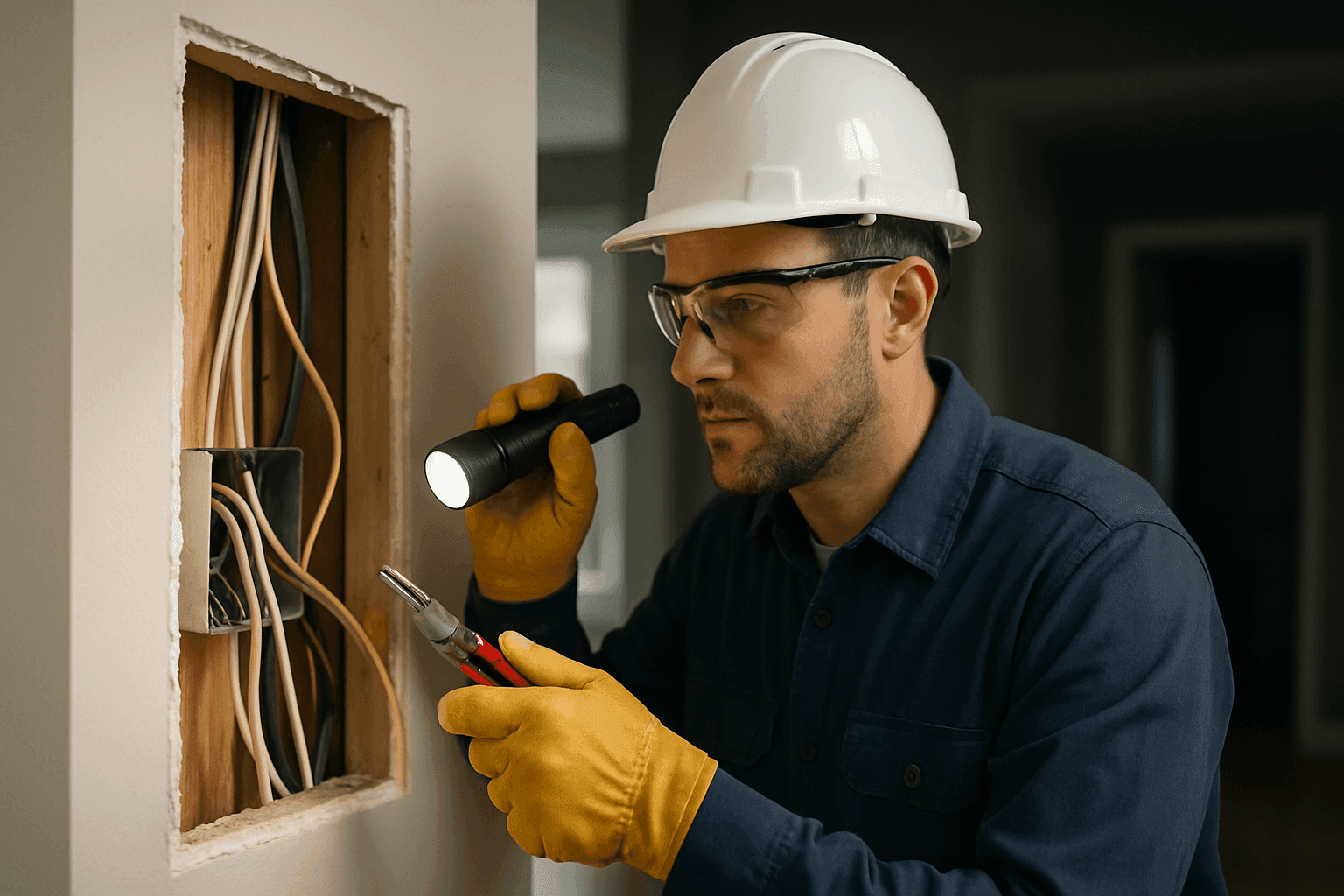
Is your home’s wiring keeping you up at night? If the lights flicker or your breakers seem to trip for no reason, you’re not alone. Many homeowners worry about the cost of home rewiring—and for good reason. Faulty wiring isn’t just an inconvenience. It’s a silent risk that can turn day-to-day life upside down.
At Warner Robins Electrical, we know how stressful these decisions can be. You want answers, not confusion. Here’s what you need to know about the real cost of home rewiring, the warning signs, and how to protect your family and investment.
What Is Home Rewiring?
Imagine your home’s wiring as a network of arteries delivering crucial power to every room. Over time, these arteries can wear out. Home rewiring means replacing old, unsafe, or outdated electrical wires with new, code-compliant materials.
There are two main types:
- Full Rewiring: All wires, outlets, switches, and sometimes the panel are replaced. This is common in older homes or those with known safety issues.
- Partial Rewiring: Only certain circuits or rooms get updated. This is sometimes done during renovations or if only part of your system is outdated.
What’s Involved?
- Timeframe: For a typical single-family home, a full rewiring project can take 3–10 days. Partial jobs are faster.
- Disruption: Furniture may need moving. Some drywall may be opened for access. Reputable electricians clean up as they go, but expect some dust and noise.
- Permits & Codes: Licensed professionals will secure the right permits to ensure your project meets the National Electrical Code (NEC) and local requirements.
Average Cost Ranges & What Affects Price 💡
So, what’s the bottom line? The cost to rewire a home varies widely. Here’s what drives those numbers:
Typical Cost Ranges
- Full Home Rewiring: $8,000 to $25,000 for most homes. Large, historic, or tough-to-access homes may run higher.
- Partial Rewiring: $1,500 to $7,500, depending on scope.
Key Price Factors
- Home Size & Layout: Bigger homes have more circuits, outlets, and wiring runs. Complex layouts or multi-story homes are pricier.
- Age of Home: Older houses may have unsafe materials (like knob-and-tube or aluminum wiring) or lack grounding, which requires more labor.
- Accessibility: Finished basements, tight crawl spaces, and plaster walls can increase both time and cost.
- Local Code Requirements: Some areas require more GFCI outlets, arc-fault protection, or other upgrades.
- Material Choices: Copper wiring is standard, but higher-end switches, dimmers, and smart devices can add to the total.
- Panel Upgrades: If your electrical panel is outdated or undersized, replacing it adds to the overall price.
- Permits & Inspections: These are mandatory and essential for safety, but they do add to the bill.
Pro Tip: Always ask if your estimate includes permits and inspections. If it doesn’t, that’s a red flag.
Signs Your Home May Need Rewiring ⚠️
Some warning signs are like your home quietly waving a distress flag. Pay close attention to these red flags:
- Flickering or Dimming Lights: This can mean loose connections or overloaded circuits.
- Frequent Breaker Trips or Blown Fuses: Not normal. Indicates your system is struggling.
- Warm or Discolored Outlets/Switches: Heat is a symptom of dangerous wiring problems.
- Aluminum Wiring (Common in 1960s–70s homes): This wiring type is prone to overheating and should be replaced.
- Outdated Electrical Panels: If your panel is original to a home built before 1980, it may not meet today’s safety standards.
- Crackling, Buzzing, or Burning Smells: Shut off power and call an emergency electrician immediately.
- Two-Prong Outlets: Lack of grounding increases shock risk.
- Outlets That Don’t Hold Plugs Securely: Worn contacts can arc and start fires.
If you spot any of these, don’t wait. The cost of rewiring is far less than the devastation of an electrical fire.
Risks of Delaying Necessary Upgrades
“Maybe next year.” That phrase can cost more than money. Delaying electrical work exposes your family to:
- Fire Hazards: The U.S. Fire Administration reports electrical malfunctions as a leading cause of house fires.
- Insurance Headaches: Many insurers will not cover homes with known wiring hazards or outdated systems.
- Damaged Electronics: Old wiring can cause power surges that fry your TV, computers, or appliances.
- Code Violations: If you plan to sell or renovate, improper wiring can stop your project in its tracks.
Upgrading is not just about safety. It can also boost your home’s value and make insurance easier.
Getting an Accurate Quote
You want transparency. The only way to get a true cost is through a detailed, in-person assessment by a licensed professional.
Steps to Take
- Schedule an On-Site Evaluation: Virtual or phone estimates are never as accurate.
- Ask for a Written Estimate: Make sure it includes labor, materials, permits, and inspection fees.
- Check Credentials: Your electrician should be licensed, insured, and experienced in residential rewiring.
- Get References: A reputable pro won’t hesitate to provide them.
- Ask About Timeline & Disruption: Know what to expect before work starts.
Selecting the Right Professional
- Choose companies with 24/7 emergency electrician service—issues don’t always wait for business hours.
- Look for teams familiar with both low voltage systems and high-voltage wiring.
- Confirm experience with your home’s specific needs, whether it’s pool & spa electrical, older knob-and-tube removal, or home automation.
Frequently Asked Questions
Will I Need to Move Out During Rewiring?
Not always. For full rewiring, it may be more comfortable to relocate temporarily, especially if the work takes over a week. With partial jobs, you can often stay home, though there may be some power interruptions.
How Long Does Home Rewiring Take?
Most single-family homes are completed in 3–10 days, but the timeline depends on home size, accessibility, and whether plaster walls or finished basements are involved.
Is Rewiring Covered by Homeowners Insurance?
Typically, insurance won’t pay for rewiring unless it’s due to a covered loss (like storm damage). However, many insurers require updated wiring for coverage.
What’s the Difference Between Rewiring and Upgrading My Panel?
Rewiring replaces the wires throughout your home. Upgrading your panel means increasing your system’s capacity or replacing unsafe equipment. Many older homes need both.
Safety & Peace of Mind
Home rewiring isn’t just a project—it’s an investment in safety, comfort, and peace of mind. The right upgrades protect your loved ones, your property, and your electronics. Pay attention to the warning signs, budget with real information, and always hire a licensed, insured professional.
Need help fast? Warner Robins Electrical offers true 24-hour emergency electrician service, plus all the residential electrical upgrades you need—from low voltage systems near you to smart home automation.
Call Warner Robins Electrical now — or reach us anytime at 877-837-7094 .