Home Electrical Safety Checklist: What Every Homeowner Should Know
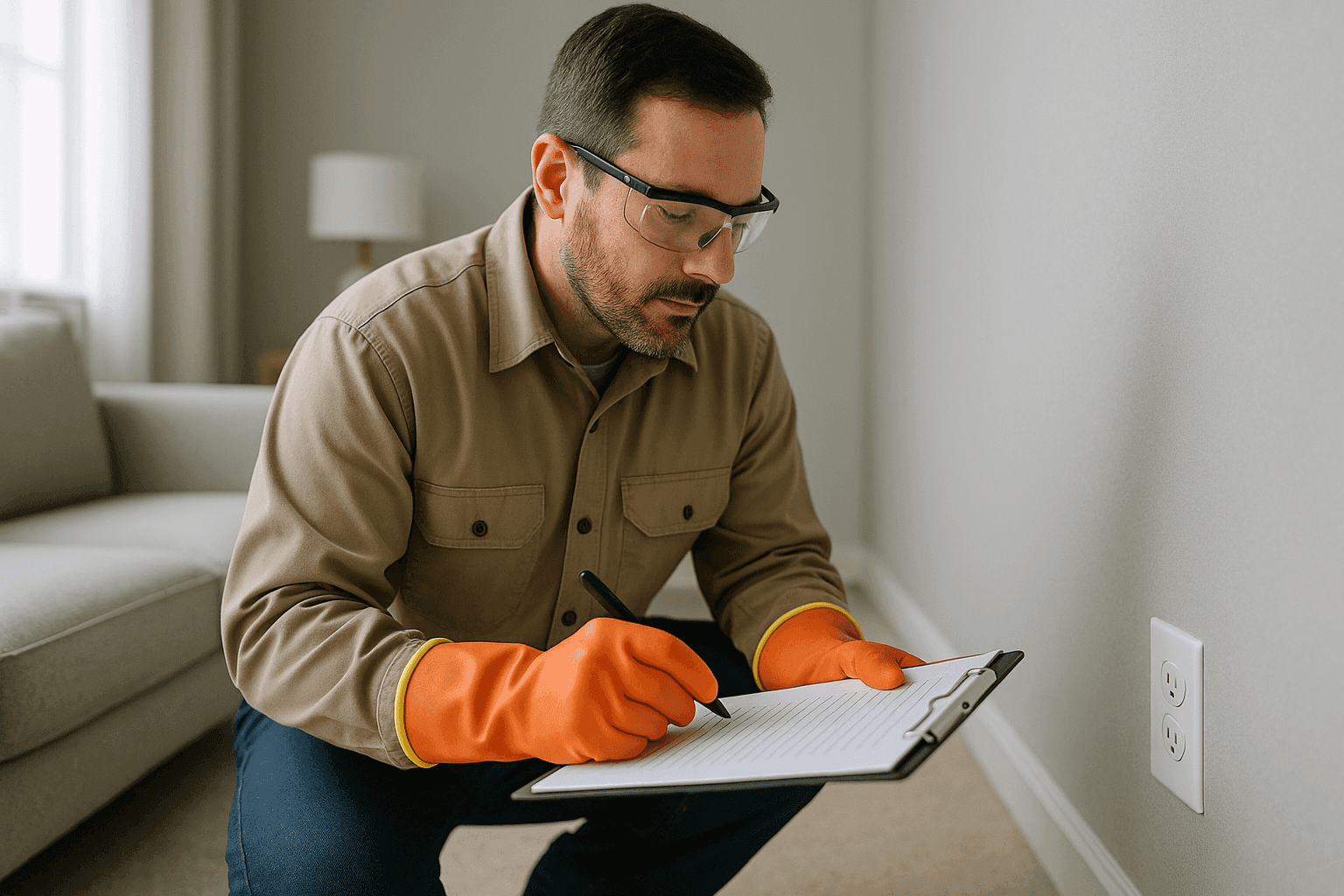
Every home tells a story. Some chapters are bright and warm, others are shadowed by worry—a buzzing outlet, a flickering light, a breaker that trips just a little too often. If that sounds familiar, you’re in good company. At Warner Robins Electrical, we know that for many homeowners, electrical safety is a quiet concern that waits in the background—until one day, it’s urgent.
The truth? Most electrical emergencies can be prevented. It starts with knowing what to look for and acting before a small spark becomes something much bigger. Here’s a guide to help you protect your home, your family, and your peace of mind.
Why Electrical Safety Matters ⚡
Electricity is like the heart of your home—it keeps everything running, but it’s not something to take for granted. According to the National Fire Protection Association (NFPA), electrical problems are a leading cause of home fires in the U.S. A little prevention goes a long way. Regular safety checks don’t just keep the lights on—they protect your home from fires, shocks, and costly damage.
Think of it this way: Ignoring a frayed wire is like ignoring a leaky roof. The problem only gets worse over time. Simple habits and a keen eye can keep you ahead of trouble.
Monthly and Seasonal Home Electrical Checks
Routine checks don’t have to be intimidating. You don’t need to know the difference between “low voltage systems near you” and high-voltage wiring to spot the basics.
Every Month:
- Test GFCIs (ground fault circuit interrupters) in kitchens, bathrooms, garages, and outdoor outlets. Press the “test” button; the outlet should shut off. Press “reset” to restore power.
- Check outlets and switches for heat, discoloration, or buzzing noises.
- Inspect cords and plugs for damage. If you spot fraying or exposed wires, stop using them.
- Test smoke and carbon monoxide detectors. Press the test button—listen for a loud beep.
Every Season:
- Look for overloaded outlets—especially during holidays with extra lights or decorations.
- Confirm extension cords aren’t running under rugs or doors. This can trap heat and cause fires.
- Before storms, inspect backup generators and surge protectors.
- After heavy rain or storms, check for water near any outlets, switches, or your electrical panel.
Signs of Unsafe Wiring or Outlets
Sometimes your home whispers a warning—if you know how to listen. Watch for these telltale signs:
- Frequent breaker trips or blown fuses.
- Flickering or dimming lights (without a clear reason, like a storm).
- Outlets or switches that feel warm or smell like burning plastic.
- Sparks, buzzing, or crackling sounds from outlets or breaker panels.
- Discolored wall plates, which may signal overheating.
- Loose outlets where plugs slide out or wobble.
If you notice any of these, don’t ignore them. They’re your home’s early warning system.
Testing Smoke & CO Detectors
Smoke and carbon monoxide detectors are the unsung heroes of home safety. Treat them with respect:
- Test each device monthly by pressing the test button.
- Replace batteries every six months (mark your calendar when daylight saving time changes).
- Replace the entire detector every 8–10 years, or sooner if it stops working reliably.
- Keep detectors clean—dust and cobwebs can interfere with sensors.
- Install detectors on every level of your home, inside bedrooms, and outside sleeping areas (as recommended by the U.S. Consumer Product Safety Commission).
When to Call a Professional
DIY is great for painting a wall, not for diagnosing electrical faults. Some jobs are best left to a licensed, insured electrician. Call Warner Robins Electrical if you notice:
- Persistent breaker trips, especially if resetting doesn’t help.
- Burning smells from outlets, wiring, or your electrical panel.
- Visible sparks or wires exposed in walls or ceilings.
- Water damage near any electrical system or appliance.
- Major upgrades like installing a backup generator, rewiring, or adding home automation features.
It’s not about fear—it’s about knowing your limits. The right emergency electrician can spot hazards you might miss, saving you much bigger headaches down the road.
Additional Tips for Holiday & Storm Seasons 🎄
Busy seasons bring extra risks.
- Don’t overload outlets with lights or decorations.
- Use outdoor-rated extension cords for exterior decorations.
- Unplug unnecessary devices before a major storm to protect from surges.
- Test your generator before you need it; keep fresh fuel on hand.
- Check pool & spa wiring before summer fun begins.
What to Expect When a Pro Arrives
A certified electrician brings more than a toolbox—they bring years of experience and a methodical approach.
- Thorough inspection: Checking outlets, switches, panels, and cords.
- Testing GFCIs, AFCIs, and surge protectors.
- Fault finding: Using meters to pinpoint hidden problems.
- Advice: Recommendations for repairs, upgrades, or maintenance.
- Safety checks: Ensuring everything meets current codes (referencing the National Electrical Code as standard practice).
Prevention & Maintenance
Stay ahead of problems with simple habits:
- Schedule annual electrical safety inspections.
- Install surge protection for sensitive electronics and appliances.
- Label your breaker panel so you know what controls each area.
- Keep cords organized and away from water or heat sources.
- Upgrade old panels or outlets as your home ages.
Costs & Time Factors
Electrical work isn’t one-size-fits-all. Some problems (like replacing an outlet) can be fixed in under an hour. Others—rewiring an older home, upgrading panels, or installing whole-home surge protection—take longer and require planning.
Factors that affect cost and time:
- The age and layout of your home.
- The type of wiring and access to problem areas.
- The complexity of the repair or installation.
- Emergency service calls may incur higher costs, but they’re worth it if safety is at stake.
When It’s an Emergency
Some situations can’t wait.
- Sparking wires, burning smells, or visible smoke: Shut off your main breaker (if safe) and call an emergency electrician right away.
- Power loss to essential appliances (like medical equipment or refrigerators)—get help fast.
- Flooded basements or standing water near outlets/panels: Don’t touch anything—leave your home and call for help.
Better safe than sorry. Your family’s safety comes first.
Frequently Asked Questions
How often should I have my home’s electrical system inspected?
Most homes benefit from a professional inspection every 3–5 years, or sooner if you notice warning signs. Older homes or those with extensive DIY wiring may need more frequent checks.
Is it safe to use plug-in surge protectors instead of whole-house systems?
Plug-in surge protectors help, but they aren’t foolproof. Whole-house surge protection offers better defense for all your devices and appliances.
What’s the difference between GFCI and AFCI outlets?
GFCIs protect against shock in wet areas; AFCIs guard against arc faults (a leading cause of electrical fires). Both are important, especially in modern homes.
Can I replace an outlet or switch myself?
If you’re comfortable and know how to turn off the power safely, simple swaps are possible. But if anything feels uncertain—especially with older wiring—call in a pro.
Local & Seasonal Considerations 🌩️
In our region, summer storms and winter holidays are the busiest times for emergency electricians. Be extra cautious during:
- Storm season: Water and electricity don’t mix. Inspect outdoor outlets and ensure all equipment is weatherproofed.
- Holiday months: Extra lighting and decorations test your system’s limits—don’t overload circuits or daisy-chain extension cords.
- Peak summer: Pool, spa, and outdoor kitchen wiring should be checked before the season starts.
Keep Your Home’s Story Bright and Safe
Electrical safety isn’t about being afraid—it’s about being prepared. A little attention now can prevent a world of trouble later. If you ever feel unsure, don’t hesitate to ask for help. Warner Robins Electrical is here 24/7 for emergencies, maintenance, upgrades, and peace of mind.
Call Warner Robins Electrical now — or reach us anytime at 877-837-7094 .