Emergency Electrician Guide: What to Do Before Help Arrives
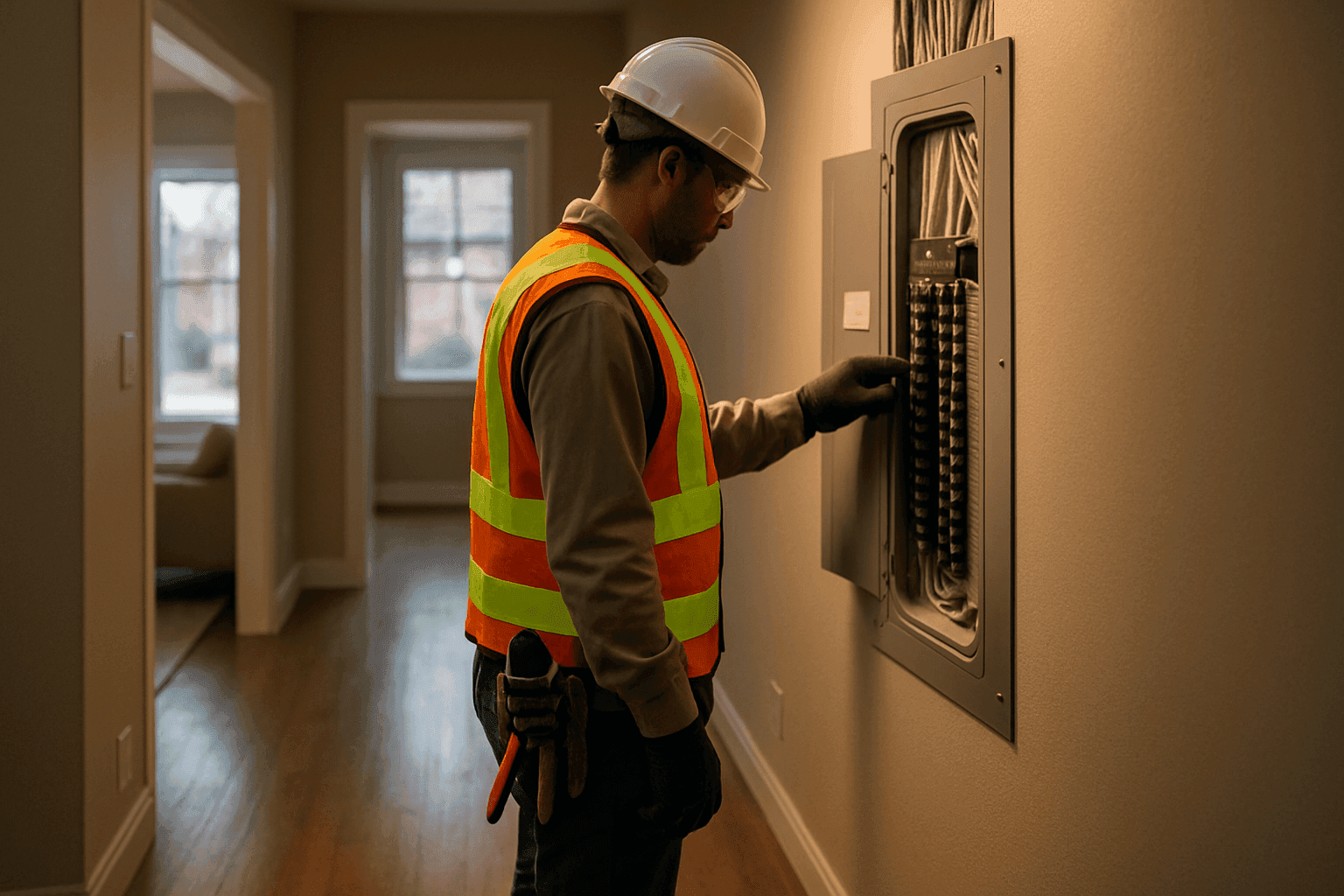
Electricity is invisible—silent, sometimes dangerous, and always essential. When something goes wrong at home, it can feel like the floor drops out from under you. Sparks fly, lights flicker, or suddenly, there’s the sharp smell of burning plastic. That’s when seconds count.
At Warner Robins Electrical, we know emergencies don’t keep regular hours. Whether it’s 2 PM or 2 AM, knowing what to do before your emergency electrician arrives can make all the difference. Let’s walk through the steps to keep your family safe and your home protected.
Recognizing an Electrical Emergency ⚡
Not every electrical problem is a crisis, but some demand immediate action. Here’s how to spot the difference:
- Sparks or Flames: Wires, outlets, or appliances emitting sparks or catching fire.
- Smoke or Burning Smell: A sharp odor near outlets, switches, or your breaker panel.
- Complete Power Loss: If the whole house or a section goes dark for no clear reason.
- Exposed or Melted Wires: Any wiring visible, especially if it's damaged or frayed.
- Shocks or Tingling: If you get a zap from an appliance or switch, even a mild one.
- Flooded Electrical Areas: Water near outlets, panels, or electrical devices.
- Buzzing or Humming: Unusual, persistent noises from your panel or walls.
If you see any of these, it’s time to take action. According to the National Fire Protection Association (NFPA), electrical failures are a leading cause of house fires. The right first steps can save lives.
Immediate Safety Steps
Don’t panic—follow these steps to keep everyone safe while you wait for help.
- Turn Off the Power (if safe): Head to your main breaker panel. Flip the main switch to "off." Only do this if you don’t have to walk through water or touch anything that looks burned or melted.
- Evacuate if There’s Fire or Smoke: Get everyone outside, including pets. Call 911 if you see flames or thick smoke.
- Avoid Water: Never touch electrical equipment if you—or it—are wet or standing in water.
- Don’t Touch Wires or Outlets: Even if the power is off, damaged wires can be dangerous.
- Open Windows for Ventilation: If there’s smoke, get some fresh air moving (but only if it’s safe to do so).
- Keep Kids and Pets Clear: Block off the area and keep everyone at a safe distance.
Every second counts, but safety comes first. Electricity travels faster than you can react.
What NOT to Do Before Help Arrives 🚫
It’s tempting to take matters into your own hands, but in an emergency, that can be risky. Here’s what to avoid:
- Don’t Use Water to Put Out Electrical Fires: Use a Class C fire extinguisher if you have one. Water can make things much worse.
- Don’t Try DIY Repairs: No tape, no makeshift fixes, and definitely no YouTube tutorials—leave it to the professionals.
- Don’t Plug In Appliances: If you’re unsure about the safety of your circuits, unplug everything. Don’t plug them back in until your electrician says it’s safe.
- Don’t Ignore the Issue: Hoping it’ll resolve itself? Electrical problems almost never do.
- Don’t Re-enter the House if Unsafe: Wait for the fire department or your emergency electrician’s signal before returning inside.
Cutting corners can lead to bigger problems—electrical shocks, fires, or even structural damage.
Preparing for the Electrician’s Visit
A little preparation can help your emergency electrician diagnose the issue quickly and get your power back on safely:
- Jot Down What Happened: Did you hear a pop? Smell something strange? Notice sparking or flickering lights? Write down details and the time they happened.
- Note Recent Events: Power surges, storms, appliance malfunctions, or renovations—all of these can cause electrical trouble.
- Clear a Path: Move furniture or clutter away from breaker panels, outlets, or the affected area.
- Secure Pets: Keep them in another room so they won’t get underfoot.
- Have Flashlights Ready: If it’s dark, use battery-powered lights (never candles).
- Gather Warranty Info: If an appliance is involved, have its paperwork handy.
The clearer the info, the faster your electrician can get to work.
When to Call 24/7 Emergency Services ☎️
Some situations can’t wait. Call a 24-hour emergency electrician if:
- There’s fire, smoke, or a burning smell.
- You see exposed wires or significant water near outlets.
- Your circuit breakers keep tripping, and you can’t restore power safely.
- You’ve experienced a major storm or flooding that may have affected wiring.
- You or anyone in your home has received an electrical shock.
If there’s any doubt, call. The cost of caution is always less than the cost of a disaster. The National Electrical Code (NEC) and Occupational Safety and Health Administration (OSHA) both stress the importance of immediate professional intervention in high-risk situations.
Step-by-Step: Quick Safety Checklist
- Shut off the main breaker if you can reach it safely.
- Evacuate if you see smoke or fire.
- Don’t touch wires, outlets, or the panel after a fault.
- Wait outside for emergency responders if necessary.
- Call Warner Robins Electrical for fast, professional help.
Why DIY Isn’t Safe in an Emergency
Electrical systems are like rivers—what’s calm on the surface can be fierce and unpredictable underneath. Trained electricians know how to navigate these waters safely. Without professional equipment and expertise, DIY fixes can lead to:
- Electric shock or burns
- Hidden fire risks
- Voided insurance policies
- Compromised home safety
Even something as simple as "flipping the wrong switch" can have big consequences. Always leave emergency repairs to licensed professionals.
What To Expect When the Electrician Arrives
Our team comes prepared:
- Assessment: We’ll listen to your account, inspect the affected area, and check your breaker panel and wiring.
- Diagnosis: Using tools like voltage testers and thermal cameras, we pinpoint the fault.
- Immediate Repairs: We’ll make safe, code-compliant fixes to restore power or eliminate hazards.
- Safety Check: Before we leave, we’ll test circuits, outlets, and devices to ensure everything is secure.
- Advice: If needed, we’ll recommend follow-up repairs or upgrades—like surge protection or rewiring.
We’ll also explain what happened in plain language, so you’re never left in the dark.
Prevention and Maintenance: Staying Ahead of Trouble
You can lower your risk of emergencies with a few smart habits:
- Schedule Regular Safety Inspections: Annual checkups catch problems before they become crises.
- Upgrade Old Wiring: Homes built before the 1980s often need updated wiring to handle today’s appliances and devices.
- Install Smoke and Carbon Monoxide Detectors: Test them monthly and change batteries twice a year.
- Invest in Surge Protection: Protects electronics and wiring from lightning or grid surges.
- Label Your Breaker Panel: Know which switch controls each room or appliance.
Resources like the Electrical Safety Foundation International (ESFI) offer more tips for homeowners who want to keep their homes safe.
Costs & Time Factors
Emergency electrical work is complex, and costs vary based on:
- Type of Emergency: Smoke and fire damage, power loss, or exposed wiring all require different solutions.
- Time of Day: After-hours calls may add to the cost.
- Parts Needed: Breakers, fuses, or wiring replacements can affect final charges.
- Extent of Damage: Minor fixes are quicker; major repairs may take several hours.
No matter the situation, addressing electrical issues promptly prevents bigger, more expensive problems down the road.
FAQ: Common Emergency Electrical Questions
Q: Can I use power strips after an emergency?
A: Wait until your electrician says it’s safe—damaged circuits can make strips unsafe.
Q: Should I reset breakers myself?
A: Only if there’s no sign of damage, smoke, or water. If unsure, wait for a professional.
Q: What if my power goes out during a storm?
A: Check if neighbors have power. If it’s just your home, call an emergency electrician.
Q: How often should I have my electrical system inspected?
A: Once a year is a good rule of thumb, or after major storms or renovations.
Local & Seasonal Considerations 🌧️
Here in Georgia, summer storms and frequent lightning can overload circuits, flood basements, and cause sudden outages. Winter brings its own risks—space heaters and holiday lights can strain old wiring. Regular maintenance, surge protection, and generator readiness (including backup generators and Low Voltage Systems near you) help keep your home safe year-round.
Final Thoughts: Your Safety Comes First
Electrical emergencies are stressful, but you’re not alone. Take a breath, follow these steps, and let a professional handle the rest. Your safety isn’t worth the risk of a quick fix.
Call Warner Robins Electrical now — or reach us anytime at 877-837-7094 .