How to Prepare Your Home Electrical System for Winter Storms
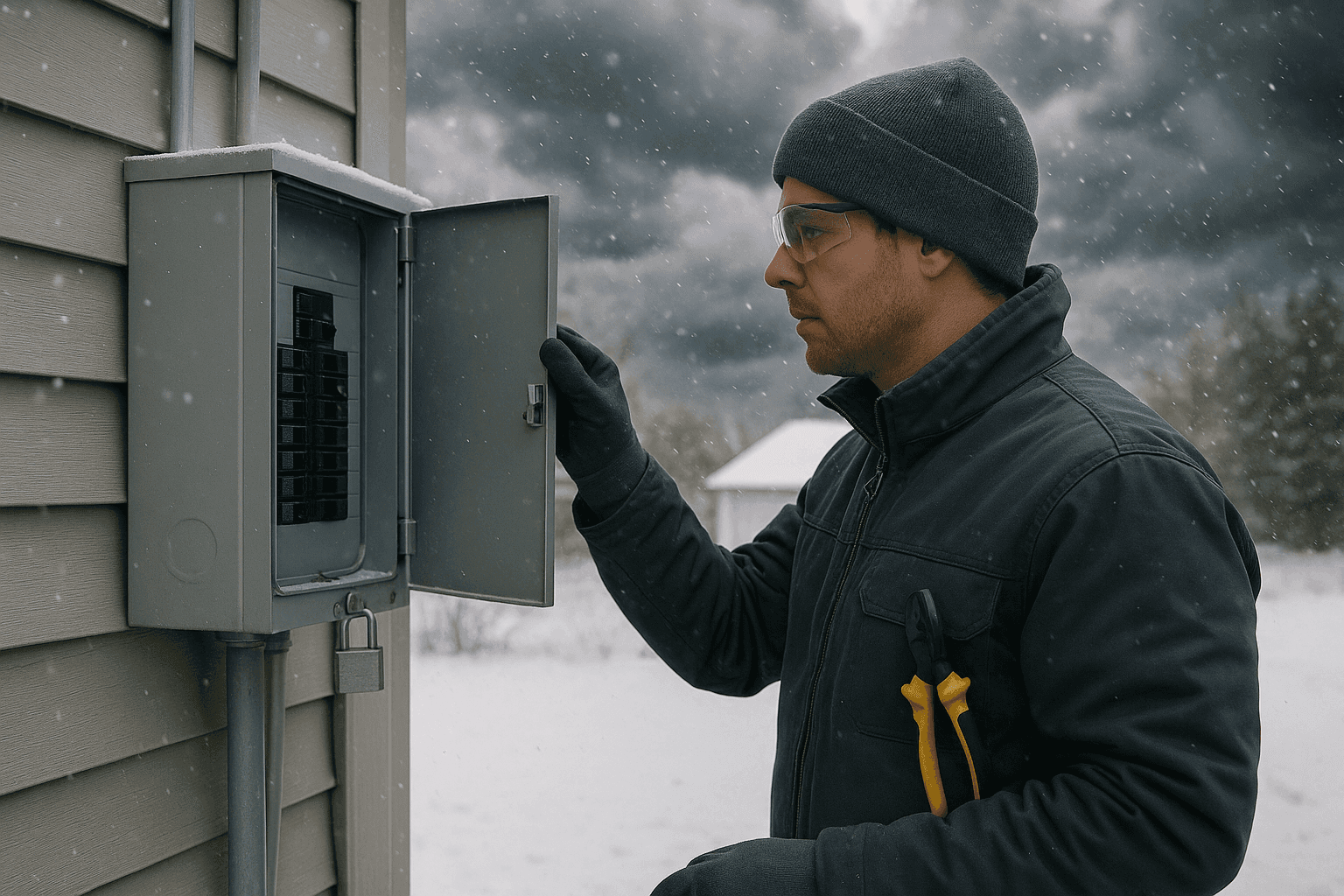
Winter storms can sweep in like a freight train. Power lines snap, lights flicker, and suddenly, your home is at the mercy of the elements. For homeowners and small business owners, being caught off guard isn’t just inconvenient—it can be dangerous.
At Warner Robins Electrical, we know how crucial it is to keep your family, employees, and property safe. Preparing your electrical system now is like putting on a sturdy coat before stepping into a blizzard. Let’s walk through the steps to keep your lights on and worries off.
Why Winter Storms Threaten Your Electrical System
When temperatures drop and winds howl, your electrical system faces a tough test. Ice can weigh down lines, tree branches snap, and overloaded heaters push circuits to their limits. It’s a perfect storm for power outages, surges, and even fire risks.
Think of electricity as the lifeblood of your home or business. When it’s interrupted, even for a moment, daily life gets thrown out of rhythm. That’s why a little preparation goes a long way.
Quick Electrical Safety Checklist for Winter Storms ⚡
Before the first snowflake falls, run through this checklist:
- Inspect wiring and circuits for any signs of wear, fraying, or overheating.
- Test all smoke and carbon monoxide detectors. Replace batteries if needed.
- Check your main electrical panel for rust, corrosion, or loose breakers.
- Install or inspect surge protectors for sensitive electronics and appliances.
- Make sure backup generators are fueled, serviced, and ready to go.
- Label circuit breakers clearly for quick shut-off in an emergency.
- Keep flashlights and batteries in an easy-to-find spot.
- Unplug non-essential devices during storms to prevent damage from surges.
- Schedule a professional safety inspection if you have any doubts.
A little time spent now can save you hours—or even days—of headaches later.
DIY or Call a Pro? How to Decide
Some electrical prep tasks are safe for most people. Others? Not so much.
DIY-friendly:
- Replacing batteries in detectors
- Plugging in surge protectors
- Testing outlets with a tester
Call a licensed electrician for:
- Inspecting wiring behind walls or in the attic
- Upgrading your main panel or breakers
- Installing backup generators or transfer switches
- Rewiring outlets, especially in older homes
If you’re ever unsure, it’s best to play it safe. The National Fire Protection Association (NFPA) recommends leaving most electrical work to qualified professionals. Electricity isn’t forgiving—one wrong move can be costly.
What Happens When the Pros Arrive
When you call an emergency electrician from Warner Robins Electrical, here’s what you can expect:
- Thorough inspection: We check your wiring, panels, outlets, and circuits for hidden problems.
- Testing: Using specialized tools, we test for overloaded circuits, loose connections, and faulty breakers.
- Surge protection: We assess your current surge protection and recommend upgrades if needed.
- Generator readiness: For homes with backup generators, we perform a full test run—checking fuel, transfer switches, and output.
- Detector checks: We verify all smoke and carbon monoxide detectors are working and properly placed.
- Safety advice: We walk you through simple steps to stay safe during and after storms.
Our team is licensed, insured, and follows the latest National Electrical Code (NEC) guidelines for safety and reliability.
Prevention & Maintenance: Your Winter Storm Shield
A stitch in time saves nine. Here’s how to build a strong defense:
Inspect Wiring and Circuits
Old, damaged, or overloaded wiring is like a frayed rope—one good tug, and it snaps. Schedule regular inspections, especially if your property is more than 20 years old or you’ve added new appliances.
Install Surge Protection
Winter storms can send voltage spikes racing through your home. Whole-house surge protectors act like bouncers, keeping dangerous surges away from your valuable electronics. Plug-in surge strips add an extra layer of defense for computers, TVs, and appliances.
Backup Power: Generators
A reliable generator is your lifeboat when the grid goes down. Make sure yours is serviced before winter hits. Run it monthly for 15–20 minutes, keep fuel fresh, and store it safely. If you don’t have a generator, now’s the time to consider one.
Test Smoke and Carbon Monoxide Detectors
Cold weather means closed windows and more use of heaters, fireplaces, and generators—all of which increase carbon monoxide risk. Test detectors monthly, and replace any unit over 10 years old.
Appliance Safety
Don’t overload outlets with space heaters or electric blankets. Give each high-wattage device its own outlet, and never run cords under rugs or carpets. If a plug or outlet feels hot, unplug it and call an electrician.
Schedule Regular Electrical Safety Inspections
Annual inspections catch small issues before they become big problems. A licensed electrician can spot worn wires, outdated panels, and other hazards you might miss.
Costs & Time Factors: What to Expect
Every home and business is unique, so costs and timelines will vary. Here’s a general idea:
- Basic inspection: Usually takes 1–2 hours.
- Upgrading surge protection: 1–3 hours depending on the system.
- Generator installation: Several hours to a full day, depending on complexity.
- Panel upgrades or rewiring: Can take a day or more, especially in older properties.
Investing in prevention often costs less than emergency repairs after a storm. And the peace of mind? Priceless.
When It’s an Electrical Emergency
Some situations can’t wait. Call an emergency electrician if you notice:
- Burning smells from outlets or panels
- Flickering lights throughout your home
- Breakers that trip repeatedly
- Water leaking near electrical equipment
- Loss of power to critical appliances (heaters, medical devices)
Never try to fix these issues yourself. Turn off the main power if safe, and call for help right away.
Frequently Asked Questions
How often should I inspect my electrical system for winter readiness?
Once a year is a good rule of thumb, especially before winter. Older homes or businesses with heavy equipment may need more frequent checks.
Can I use a portable generator indoors during a storm?
Never. Portable generators give off carbon monoxide, which is deadly indoors. Always use them outside, far from windows and doors.
What’s the difference between a surge protector and a power strip?
A surge protector guards against voltage spikes; a basic power strip just adds more outlets. For storm safety, always use surge protection.
Is it safe to use space heaters during power outages?
Only if your generator is rated for the load, and the heater is plugged directly into a grounded outlet. Never use extension cords or overload circuits.
Special Considerations for Winter Electrical Safety
- Pool and spa equipment: Shut down or winterize before storms to avoid damage.
- Home automation: Make sure smart devices have backup power or manual controls.
- EV chargers: Disconnect and protect charging stations during severe weather.
- Data cabling: Keep phone, internet, and low-voltage systems off the floor to avoid water damage.
- Backup generators: Test monthly, and store fuel safely away from living spaces.
Following safety standards from organizations like the Occupational Safety and Health Administration (OSHA) and the National Electrical Code (NEC) helps keep everyone safe and sound.
Call Warner Robins Electrical now — or reach us anytime at 877-837-7094 .