Electrical Safety During Storms: Protecting Your Home from Outages and Hazards
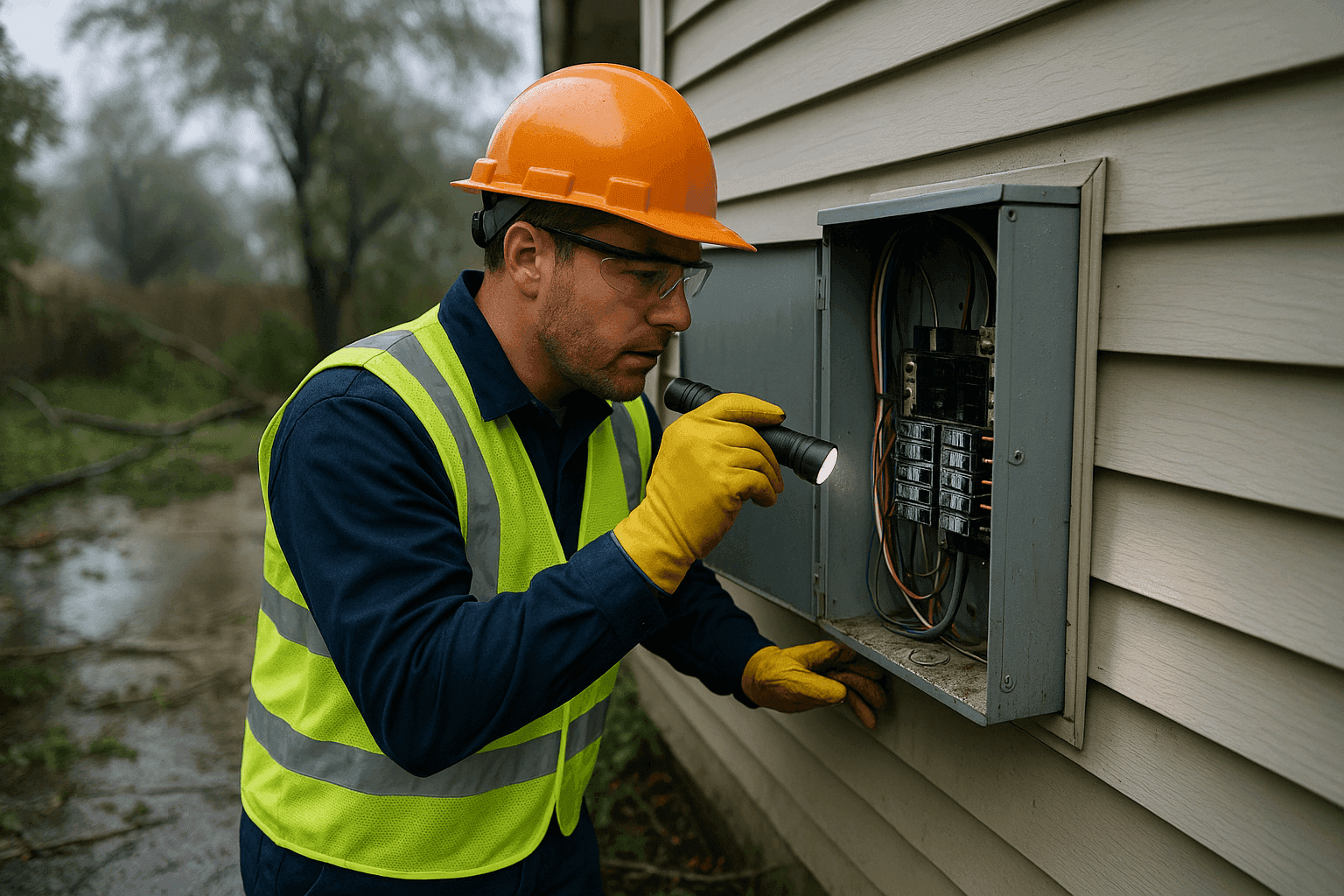
Storms don’t ask when it’s convenient. The sky darkens, thunder rattles the windows, and suddenly your home’s electrical system is put to the test. Power flickers. Lightning flashes. You worry about your family’s safety and what you can do to keep everyone protected.
At Warner Robins Electrical, we know how sudden—and dangerous—storm-related electrical issues can be. As residential emergency electricians with decades of experience, we help homeowners prepare for, navigate, and recover from electrical hazards every storm season brings.
Common Electrical Hazards During Storms ⚡
Storms unleash a mix of predictable and unexpected dangers. Some are obvious—a tree on a power line. Others hide, waiting to spark trouble after the rain stops. Here’s what every homeowner should watch for:
- Downed Power Lines: Heavy winds and falling branches can snap overhead wires. Never approach or touch a downed line—it might look harmless, but it could be deadly.
- Flooding: Water and electricity are a dangerous pair. Flooded basements, crawlspaces, or rooms can energize anything from outlets to metal pipes. Even puddles near electrical equipment are risky.
- Power Surges: Lightning strikes and grid problems can send a wave of excess electricity through your home. Sensitive electronics, appliances, and even wiring can fry in an instant.
- Improper Generator Use: Backup generators save the day—if used correctly. But running one inside, in a garage, or too close to windows can fill your home with deadly carbon monoxide.
- Hidden Wiring Damage: Storms can shake loose connections behind walls, short out circuits, or damage components you can’t see. This can cause arc faults, overheating, and even fires days later.
According to the National Fire Protection Association (NFPA), electrical failures or malfunctions are a leading cause of home fires, especially after severe weather. That’s why it’s critical to know what to do—before, during, and after a storm.
Preparing Your Home Before a Storm
The best defense? Preparation. Think of it like boarding up your windows, but for your electrical system.
Before the clouds roll in, take these steps:
- Unplug Sensitive Electronics: TVs, computers, gaming consoles—anything you can’t afford to lose. Surge protection helps, but unplugging is best.
- Test Your Backup Power: Run your generator or check your battery storage system. Make sure fuel is fresh and cords are in good shape. Only use generators outdoors and away from windows.
- Secure Outdoor Fixtures: Patio lights, pool equipment, and holiday decorations can become hazards if tossed by wind. Disconnect and store what you can.
- Charge Essentials: Phones, power banks, flashlights, and medical devices.
- Know Your Panel: Label breakers for major appliances or rooms. If you need to shut off power in a hurry, you’ll know which switch to flip.
- Inspect Detectors: Smoke and carbon monoxide detectors should have fresh batteries and working alarms.
- Check Sump Pumps: If you have a basement, make sure your sump pump is plugged into a GFCI-protected outlet and test it before heavy rain.
The Electrical Safety Foundation International (ESFI) recommends reviewing your emergency plan with your family and keeping a list of emergency electrician contacts—like us at Warner Robins Electrical—handy.
What to Do During Power Outages
When the lights go out, it’s more than just an inconvenience. It’s a moment to put safety first.
Here’s what to do—and what to avoid:
- Avoid Water: If there’s flooding, stay clear of any water that could be touching outlets, appliances, or your breaker panel. Electricity can travel further than you think.
- Use Flashlights, Not Candles: Candles tip over. Flashlights and headlamps are safer, especially with kids or pets around.
- Turn Off Major Appliances: When power returns suddenly, it can spike and damage sensitive equipment. Turn off stoves, microwaves, and electronics—leave one light on so you know when power’s back.
- Listen and Smell: If you hear buzzing, popping, or smell burning plastic, it could signal electrical fire or damage. Evacuate and call emergency help immediately.
- Keep Generators Outside: Never, ever run a generator indoors, in garages, or near open windows. The CDC warns that carbon monoxide poisoning is a silent killer. Place the generator at least 20 feet from your home.
Even after the worst has passed, hazards can linger. Don’t let your guard down.
Post-Storm Safety Checks 🕵️
The sky clears. The storm moves on. But your home might still be at risk.
Check for hidden dangers before flipping every switch:
- Look for Visible Damage: Scan for fallen wires, broken outlets, moisture near panels, or scorch marks around plugs.
- Test Outlets and Switches Safely: Use a plug-in tester or a small lamp. If anything doesn’t work—or if you hear crackling—stop and call for help.
- Check Appliances: Before reconnecting, inspect for signs of water entry or damage. If in doubt, have a professional inspect them.
- Inspect the Panel: If water has reached your breaker box, don’t touch it. This is a job for an emergency electrician.
- Replace Detector Batteries: Storms can drain batteries in smoke and carbon monoxide detectors as they work overtime.
If you notice anything unusual after a storm—especially persistent outages, flickering lights, or the smell of burning—err on the side of caution. The National Electrical Code (NEC) sets strict guidelines for post-storm safety checks, and a pro will know how to spot invisible risks.
When to Seek Professional Help
Sometimes, the safest thing you can do is step back and call for help. Here are red flags you should never ignore:
- Downed or Sparking Power Lines
- Flooded Electrical Panels or Outlets
- Persistent Burning Smell or Smoke
- Repeated Tripped Breakers After the Storm
- Nonworking Outlets in Multiple Rooms
- No Power Despite Utility Restoration in Your Area
An emergency electrician from Warner Robins Electrical can safely diagnose, repair, and restore your system. We handle everything from Low Voltage Systems near you to full-scale rewiring and generator repairs.
Remember: It’s not just about getting the lights back on. It’s about making sure your home is safe for everyone inside.
Quick Safety Checklist
Before, during, and after severe weather, run through this mental list:
- Unplug non-essential electronics before the storm
- Charge phones and flashlights
- Test backup generators outdoors only
- Keep water clear of all electrical sources
- Use flashlights, not candles
- Inspect outlets and appliances post-storm
- Call for professional inspection if you suspect any damage
A little planning now prevents a lot of headaches—and hazards—later.
Frequently Asked Questions
How soon after a storm can I use my generator?
Wait until it’s safe to go outside and the area is clear of hazards. Always set up generators in a dry spot, at least 20 feet from your home, and only after reading the manufacturer’s instructions.
What should I do if a power line falls in my yard?
Stay far away. Do not touch anything the line is touching, including fences or puddles. Call 911 and your local utility immediately.
Can I reset breakers myself after a storm?
If your panel is dry and undamaged, you can try resetting a tripped breaker. If it keeps tripping, or if you see moisture or damage, call an emergency electrician.
Do surge protectors really work?
They help protect against minor surges, but a direct lightning strike or major grid surge can overwhelm them. Unplugging electronics is the safest bet.
Local and Seasonal Considerations 🌧️
In our region, storms can strike any month of the year—but spring and summer bring the biggest risks. With pool and spa electrical systems, backyard lighting, and outdoor outlets, Warner Robins homes have extra points of vulnerability.
If you have a pool, hot tub, or landscape lighting, schedule a seasonal electrical safety inspection. The National Electrical Code requires GFCI protection for outdoor circuits—make sure yours are up to date.
For homes with older wiring or recent renovations, consider an electrical system design review. This is especially important if you’ve added a generator, EV charger, or new appliances.
Empowerment Over Panic
Storms are unpredictable. But your response doesn’t have to be. With a plan, the right emergency electrician on speed dial, and a focus on safety, you can weather any storm and keep your family out of harm’s way.
Need help now—or want to get ahead of the next big storm?
Call Warner Robins Electrical now — or reach us anytime at 877-837-7094 .