Electrical Panel Upgrades: When, Why, and How to Stay Safe
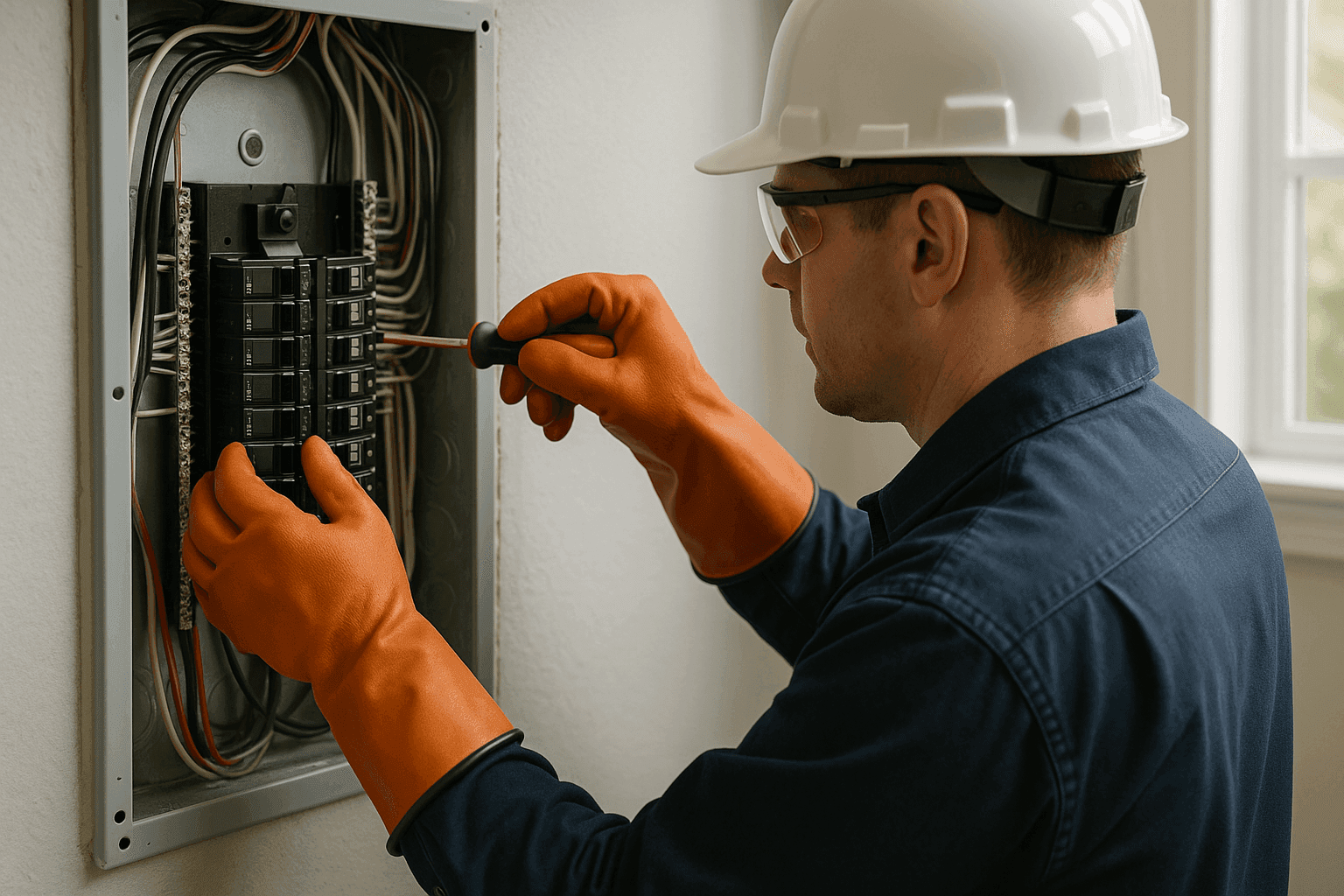
Is your home’s electrical panel working overtime? Most homeowners rarely think about it—until the lights flicker, a breaker trips, or something smells hot. It’s easy to take safe, steady power for granted. But when your panel is outdated or overloaded, your home and family could be at risk.
At Warner Robins Electrical, we know the “heart” of your home’s electrical system is often hidden away, but it’s vital for safety, comfort, and peace of mind. Let’s break down the when, why, and how of upgrading your panel—so you can spot trouble early and know exactly what to expect.
What Does an Electrical Panel Do? ⚡
Think of your electrical panel as the traffic cop for every wire, light, and outlet in your house. It takes all the power coming in and safely routes it where it’s needed—kitchen, bedrooms, garage, even your pool or EV charger.
- Controls the flow: Each breaker is like a security gate, protecting against too much electricity flowing through a circuit.
- Prevents fires: By “tripping” when something’s wrong, panels stop overheating and possible electrical fires.
- Distributes power: Makes sure your microwave, AC, and phone chargers all get what they need, when they need it.
A properly sized and functioning panel is the silent hero keeping everything working—and keeping your loved ones safe.
Signs You Need an Upgrade (Flickering, Overheating, Old Panels) 👀
Not sure if your panel is up to the job? Here’s what to watch for:
- Flickering or dimming lights—especially when large appliances kick on.
- Frequent breaker trips—if you’re heading to the panel more than once a month, something’s off.
- Buzzing, popping, or crackling—electrical panels should never make noise.
- Warm or hot to the touch—heat signals overloaded circuits or a failing panel.
- Rust, corrosion, or burn marks—visible damage is a red flag.
- Old fuse boxes—panels with screw-in fuses instead of breakers are overdue for replacement.
- Home upgrades—adding a pool, EV charger, or new appliances may overwhelm an old panel.
- The panel is over 25 years old—older systems just aren’t built for today’s electrical demands.
If you spot any of these, don’t wait. Electrical issues can get serious fast, and an emergency electrician is only a call away.
Risks of Outdated or Overloaded Panels
An old or overloaded panel isn’t just inconvenient—it’s dangerous.
- Fire hazards: The National Fire Protection Association (NFPA) lists electrical system failures as a leading cause of house fires.
- Shocks and injury: Faulty panels put you and your family at risk of electrical shock, especially around moisture or damaged wiring.
- Appliance damage: Sensitive electronics and modern appliances need steady, reliable power. Surges or brownouts can fry circuits or shorten lifespans.
- Insurance issues: Many insurers require panels to meet current code (like the National Electrical Code, or NEC). Some may even deny coverage if your electrical system isn’t up to date.
- Code violations: Out-of-date panels may not meet local or national safety standards, which can create big problems when selling or remodeling.
How Upgrades Improve Home Safety and Value
Investing in a panel upgrade does more than keep the lights on. Here’s how it pays off:
- Greater protection: Modern panels have improved safety features, like arc-fault and ground-fault breakers, to stop problems before they start.
- Supports new tech: From EV chargers to smart home systems, a new panel ensures your home can handle tomorrow’s technology.
- Better resale value: Buyers want homes that are safe and “future-ready.” An upgraded panel is a strong selling point.
- Peace of mind: Fewer trips to reset breakers. No more buzzing or burning smells. Just safe, steady power for your family.
The Upgrade Process: What to Expect
Worried about mess or downtime? Here’s what actually happens when you call Warner Robins Electrical for a panel upgrade:
1. Inspection and Planning
We start with a full assessment—checking your current panel, wiring, and the demands of your home. We’ll look for code violations, hidden damage, and anything that might cause issues down the road.
2. Permits and Scheduling
Electrical work isn’t just about wires. We handle all the necessary permits and coordinate with local inspectors, following National Electrical Code (NEC) and any city/county rules.
3. Power Down and Panel Removal
On installation day, your power will need to be shut off for several hours. We remove the old panel, inspect for hidden damage, and prep the area.
4. New Panel Installation
We install the new breaker panel, reconnect circuits, and label everything clearly. If needed, we’ll upgrade service wires, grounding, or surge protection.
5. Testing and Safety Checks
Every circuit is tested. We double-check connections, test breakers, and verify the whole system meets NEC and local codes.
6. Cleanup and Final Walkthrough
We tidy up—no debris left behind. You’ll get a walkthrough of your new panel, so you know what’s where and how it all works.
7. Inspection & Reconnection
A city or county inspector will review the work before your power is fully restored. Once approved, you’re good to go.
Practical Tips for Homeowners
- Don’t ignore warning signs. If in doubt, call for an inspection.
- Know your panel’s age and capacity. Write it down for future reference.
- Never DIY high-voltage work. It’s illegal and dangerous.
- Schedule regular electrical safety checks—especially before adding big appliances or starting remodels.
Why Upgrades Matter for Insurance, Safety, and Code Compliance
Insurance carriers and local authorities rely on the National Electrical Code (NEC) for minimum safety standards. If your panel is outdated, you may risk denied claims or fines, especially after a fire or inspection.
- Modern panels are designed for today’s higher household loads.
- Proper grounding and surge protection can help prevent costly appliance damage.
- Upgrades also help protect sensitive Low Voltage Systems near you, like smart thermostats, security cameras, and more.
For more on electrical codes, check out the latest NEC guidelines and advice from the Electrical Safety Foundation International (ESFI).
Frequently Asked Questions
How long does a panel upgrade take?
Most upgrades are completed in one day, though bigger homes or tricky installations may take longer. Expect several hours without power.
Will my whole house be without power?
Yes, but only during the swap. We’ll let you know exactly when and how long, so you can plan ahead.
Do I need to be home?
It helps if someone’s there for access and questions, but we can work with your schedule.
What if my home has aluminum wiring or an old fuse box?
Special steps may be required for safety. We’ll explain options after a full inspection.
Prevention & Maintenance
- Schedule a professional electrical safety inspection every 3–5 years.
- Watch for tripped breakers, hot spots, or odd smells—these mean it’s time to call.
- Avoid overloading outlets or circuits.
- Upgrade wiring, outlets, and surge protection if you’re remodeling or adding major appliances.
Local and Seasonal Considerations
Here in Georgia, summer storms can put extra strain on aging panels. AC units, pool pumps, and generators all need reliable power. If your home is older, or you’ve recently added major appliances, it’s smart to check if your panel can keep up. Winter heating loads and lightning season are also prime times for surge protection and panel checks.
When It’s an Emergency
If you ever smell burning, see smoke, or lose power suddenly, don’t wait. Shut off main breakers if safe, leave the area, and call for emergency electrician service right away. Electrical fires can move fast—better safe than sorry.
Your home’s safety starts with a strong foundation: a modern, code-compliant electrical panel. If you’ve noticed warning signs or want peace of mind about your home’s wiring, Warner Robins Electrical is here to help—day or night.
Call Warner Robins Electrical now — or reach us anytime at 877-837-7094 .