How to Choose the Right EV Charger for Your Home or Business
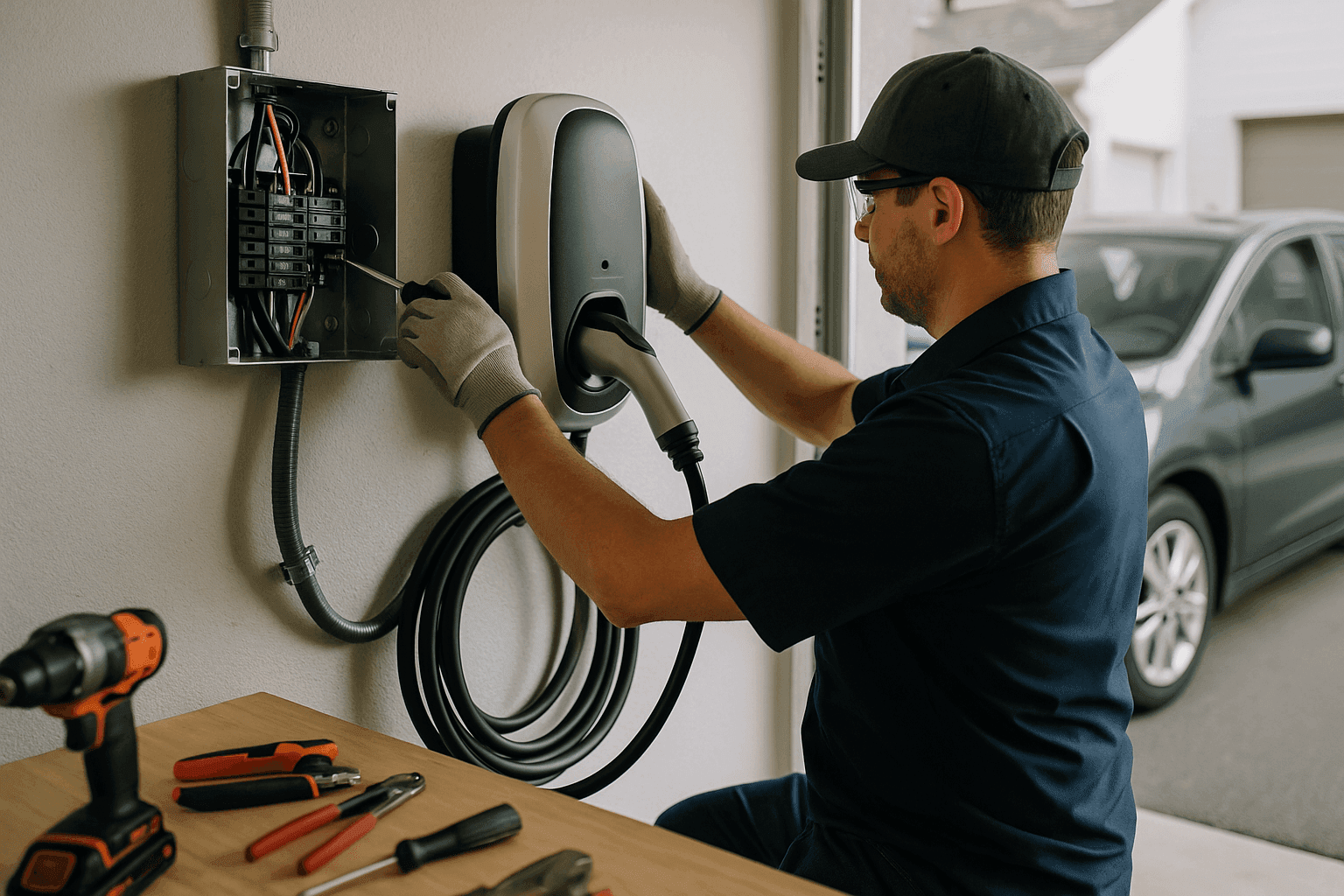
Are you thinking about installing an electric vehicle (EV) charger at your home or business? The options can feel overwhelming. Fast charging, slow charging, installation worries, safety checks—it's a lot to juggle.
At Warner Robins Electrical, we've helped countless homeowners and small business owners navigate these choices. If you're not sure where to start, you're in the right place.
Understanding EV Charger Types ⚡
Before you can plug in and charge, you need to pick the right kind of charger. Think of EV chargers like faucets—some trickle, some gush, and some are built for a busy car wash.
-
Level 1 Chargers:
These use a standard household outlet (120V). They're slow—think overnight, or longer for a full charge. Great for occasional drivers or plug-in hybrids. -
Level 2 Chargers:
These need a 240V circuit, like your oven or dryer. Much faster—most EVs can get a full charge in a few hours. This is the sweet spot for most homes and small businesses. -
Commercial-Grade Chargers (DC Fast Chargers):
These are the firehoses. They require heavy-duty wiring, special permits, and are usually found at public charging stations. Not typically installed in homes, but some businesses may need them for fleets or high-traffic areas.
Compatibility matters. Not all vehicles can use all charger types. Always check your car’s specs and talk to a licensed electrician about your electrical panel’s capacity.
Key Factors in Choosing an EV Charger
Choosing an EV charger isn’t just about speed. There are a handful of other things to weigh before you buy.
Power and Compatibility
- Your Car’s Needs:
Some EVs can only accept a certain amount of power. Installing a high-powered charger won’t speed things up if your car can’t handle it. - Electrical Panel Capacity:
Your home or business may need an upgraded panel or dedicated circuit. Overloading an old system can be a recipe for tripped breakers—or worse. - Location:
Will your charger go in a garage, on a driveway, or in a parking lot? Outdoor installations need weatherproofing and extra safety checks.
Installation Costs and Permits
- Wiring and Circuit Upgrades:
Older properties may need rewiring or new circuits. This can impact the total cost and installation time. - Permits and Inspections:
Most areas require permits for new EV charger installations. Inspections keep things safe and up to code—look for references to the National Electrical Code (NEC) and local building guidelines. - Smart Features:
Want Wi-Fi, scheduling, or energy monitoring? These can add to upfront costs but may save money long-term.
Tip: Always get a detailed estimate before starting work. Surprises are fun at birthday parties—not during electrical upgrades.
Safety and Maintenance Tips
An EV charger is a powerful appliance. Treat it with respect and it’ll serve you well for years.
- Schedule Regular Safety Checks:
Have a licensed electrician inspect your charger and wiring at least once a year. - Look for UL Certification:
Chargers with UL or ETL certification meet strict safety standards. - Keep It Clean:
Dust, debris, and moisture can cause problems. Wipe the unit down regularly and keep the area clear. - Test GFCI Protection:
Ground Fault Circuit Interrupters help prevent shocks. Test them monthly (your electrician can show you how). - Watch for Warning Signs:
If you notice flickering lights, buzzing sounds, or a hot plug, stop using the charger and call an emergency electrician right away.
When to Call an Emergency Electrician
Sometimes, things go wrong—fast. Here’s when you need to pick up the phone, no hesitation:
- Burning Smell or Smoke:
Unplug (if safe) and call immediately. - Repeated Tripped Breakers:
This could mean a serious wiring issue. - Charger Won’t Power On:
If resetting the breaker doesn’t help, don’t try to fix it yourself. - Visible Damage:
Cracked, melted, or exposed wires are a major hazard.
Warner Robins Electrical offers 24-hour emergency service. We’re used to handling urgent electrical issues and can get you back up and running safely.
Preparing for Seasonal Power Challenges 🌩️
Storms, heatwaves, and outages can all affect your EV charging setup.
- Surge Protection:
Install a whole-home surge protector to guard against lightning and power surges. This protects not just your charger, but every device in your home or business. - Backup Generators:
If you rely on your EV for daily transportation, a generator can keep you moving during outages. - Weatherproofing:
Outdoor chargers need covers and weather-resistant materials. Check seals and gaskets before storm season. - Regular Inspections:
Schedule a safety check before the start of severe weather seasons.
Step-by-Step: EV Charger Installation
Here’s how the process usually unfolds:
- Assessment:
A licensed electrician inspects your electrical panel, wiring, and the installation location. - Permits:
Necessary permits are secured, and plans are reviewed for code compliance. - Upgrades (if needed):
Older panels or wiring may be upgraded to handle the new load. - Mounting the Charger:
The unit is installed in your chosen spot, securely mounted and weatherproofed if outdoors. - Wiring and Connection:
Dedicated circuits are run, connections are made, and safety devices (like GFCIs) are tested. - Inspection:
The installation is inspected for code compliance and safety. - Test Run:
The charger is tested with your vehicle to ensure everything works as it should.
Maintenance Tips for Reliable Operation
- Monthly Visual Checks:
Look for signs of wear, frayed cables, or loose connections. - Annual Professional Inspection:
Schedule a professional safety check—especially before peak usage seasons. - Keep Software Updated:
If your charger has smart features, update the firmware as recommended by the manufacturer. - Clear Debris:
Sweep away leaves, dust, and moisture from the charger area.
Frequently Asked Questions
How long does it take to install an EV charger?
Most home installations take a few hours, but upgrades or complex wiring can add time.
Can I install an EV charger myself?
It’s not recommended. Electrical work can be dangerous and may void your car’s warranty if not done by a licensed professional.
Will a charger work with any electric vehicle?
Most Level 2 chargers are compatible with all modern EVs, but double-check your car’s connector type and charging specs.
What if my panel is too small?
An electrician can upgrade your panel or suggest load management solutions to safely add a charger.
Special Considerations for Businesses
For small business owners, EV chargers can be a smart investment. They attract customers and support employees who drive electric. But commercial installations come with extra requirements:
- ADA Compliance:
Charging stations may need to be accessible to all. - Multiple Chargers:
Fleet or public charging setups require careful load balancing. - Usage Monitoring:
Smart chargers can track usage for billing or reimbursement. - Maintenance Schedules:
More chargers mean more frequent inspections and maintenance.
When to Call a Professional
If you’re unsure about your electrical system, have an older property, or just want peace of mind, call a licensed electrician. Safety, efficiency, and code compliance are too important to leave to chance.
Ready to install your EV charger—or need help with an urgent electrical issue?
Call Warner Robins Electrical now — or reach us anytime at 877-837-7094 .